
April 15, 2026
Strengthening Data Systems for Energy Outcomes
Author: DPGA Secretariat
Delivering climate and energy outcomes at scale requires strong systems to collect, verify, and act on data. For many countries, however, high costs, technical complexity, and fragmented or missing digital infrastructure limit the ability to mobilise finance, track results, and translate commitments into action.
Digital public goods can help address these constraints by providing openly accessible, adaptable tools that countries can adopt and operate themselves. When aligned with privacy and other established best practices, such tools can support both climate mitigation and adaptation efforts. Just as importantly, they offer governments greater control, transparency, and long-term confidence in the digital systems underpinning these efforts.
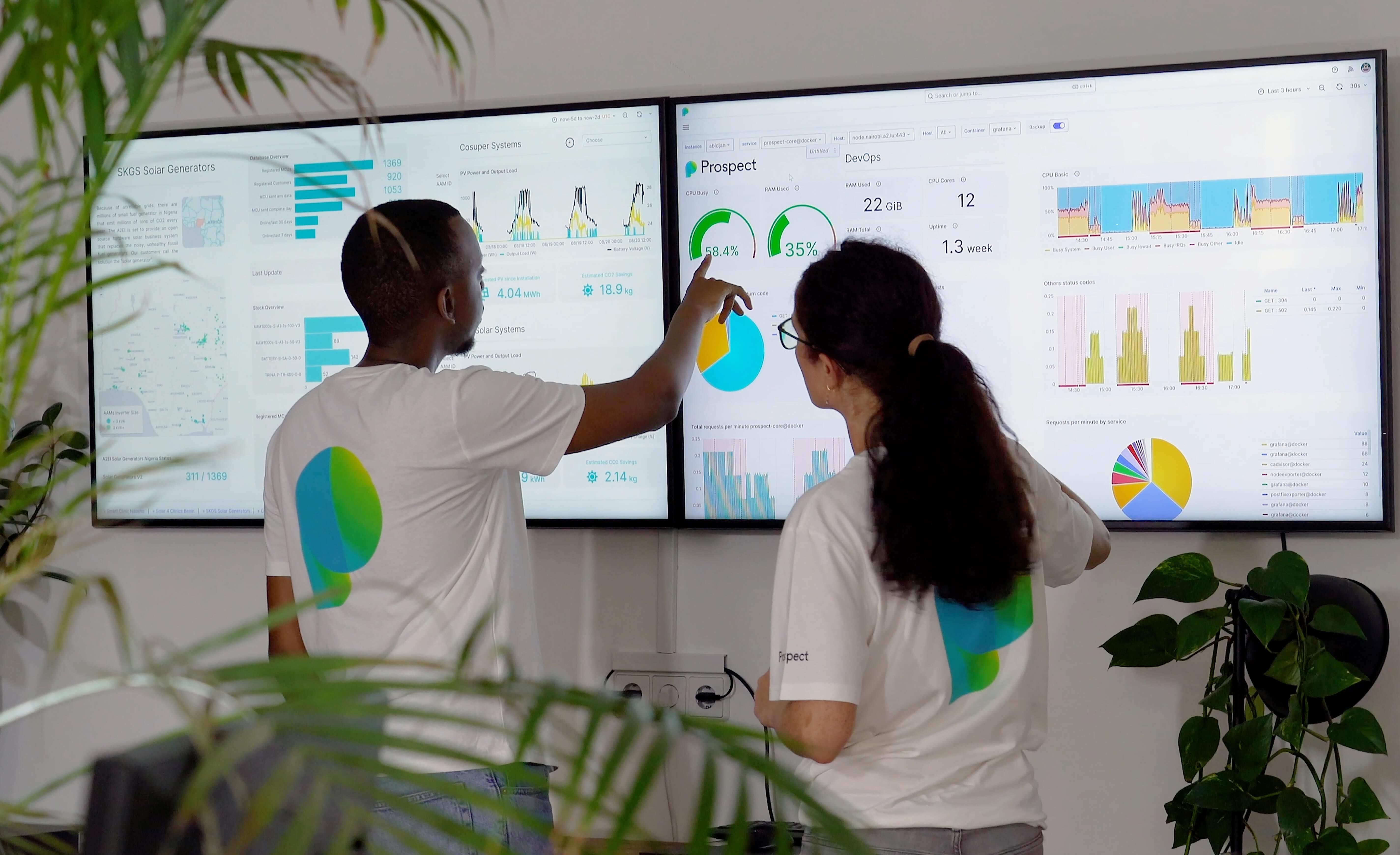
One example is Prospect, a platform developed by the Access to Energy Institute in cooperation with GET.invest that collects, harmonises, aggregates, analyses, and visualises data from modern, sustainable energy solutions that expand energy access. By standardising how energy data is captured and verified, Prospect supports more effective planning, financing, and monitoring of energy access programmes. It also reduces the cost and technical burden of measuring and reporting climate-relevant outcomes, including emissions reductions where relevant.

In 2025, one of Prospect’s major initiatives was supporting Uganda’s Electricity Access Scale Up Project (EASP)), led by the Uganda Energy Credit Capitalisation Company and primarily funded by the World Bank. The USD 135 million programme was designed to make clean energy technologies more affordable by paying companies based on verified results. Prospect provided the digital foundation for this approach, enabling the collection, verification, and reporting of data needed to track deliveries and trigger payments. Within its first year, more than 80 energy service companies participated, resulting in over 550,000 off-grid solar systems, clean cooking solutions, and productive-use appliances being delivered. By automating data flows and making progress visible at both the project and national level, Prospect reduced transaction costs, improved transparency, and helped accelerate the flow of funding—supporting faster progress toward Uganda’s electrification goals.
Since becoming a digital public good in late 2025, early benefits and potential synergies have begun to emerge. DPG recognition has helped open conversations with new governments. It has also helped address growing concerns around digital sovereignty and vendor lock-in—issues that have become increasingly important for countries in the context of shifting global dynamics.
Beyond enabling new government engagement, DPG recognition has also helped catalyse collaboration with other digital public goods that share complementary missions and goals, including exploring how these tools can work together with multilateral institutions and philanthropic organisations seeking trusted digital solutions to advance climate action.
This content is part of the 2025 State of the Digital Public Goods Ecosystem Report, published by the Digital Public Goods Alliance in early February 2025. Learn more about the Alliance’s latest community highlights and explore the full report here.