March 16, 2026
When 40+ Organisations Build Life-Saving Community Health Technology Together
Author: DPGA Secretariat
An estimated 4.5 billion people lack access to quality healthcare. Fragmented systems and paper-based records contribute to misdiagnoses, medicine shortages, and opportunities to detect and respond to disease outbreaks early.
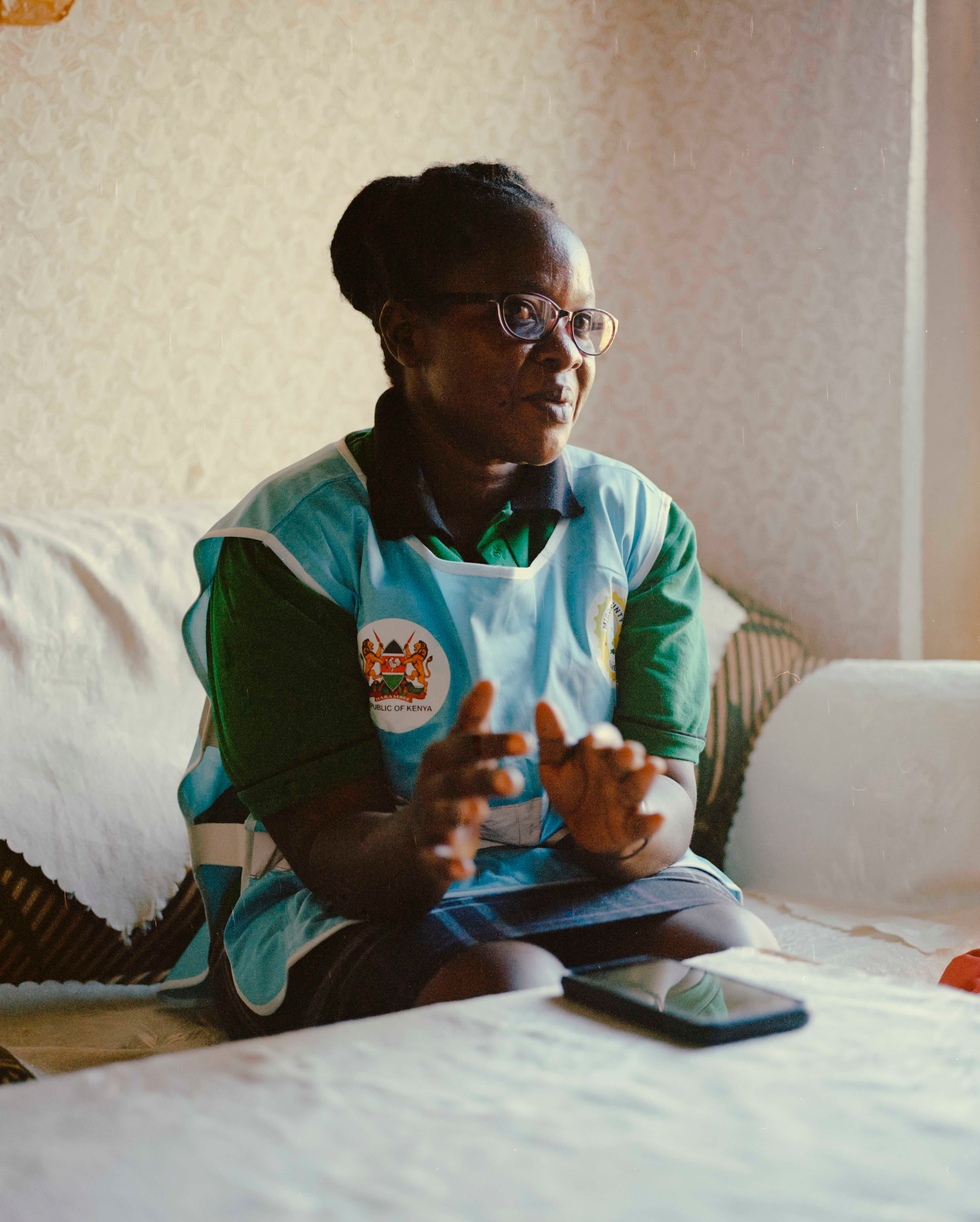
For those who do have access to care, it is often delivered by the world’s four million community health workers (CHWs). CHWs play a pivotal role in strengthening health systems and have been directly linked to reductions of up to 60% in child and maternal mortality. Yet many remain disconnected and under-supported, relying on expensive, proprietary digital tools that they cannot adapt, own, or maintain.
Community Health Toolkit (CHT) was created to solve this. CHT is free to use, modify, and scale, giving implementers full ownership and control. For over 15 years, the CHT has been adopted as national health infrastructure by seven governments and international organisations collectively serving 200,000 health workers across 24 countries and providing essential care to an estimated 88 million people.
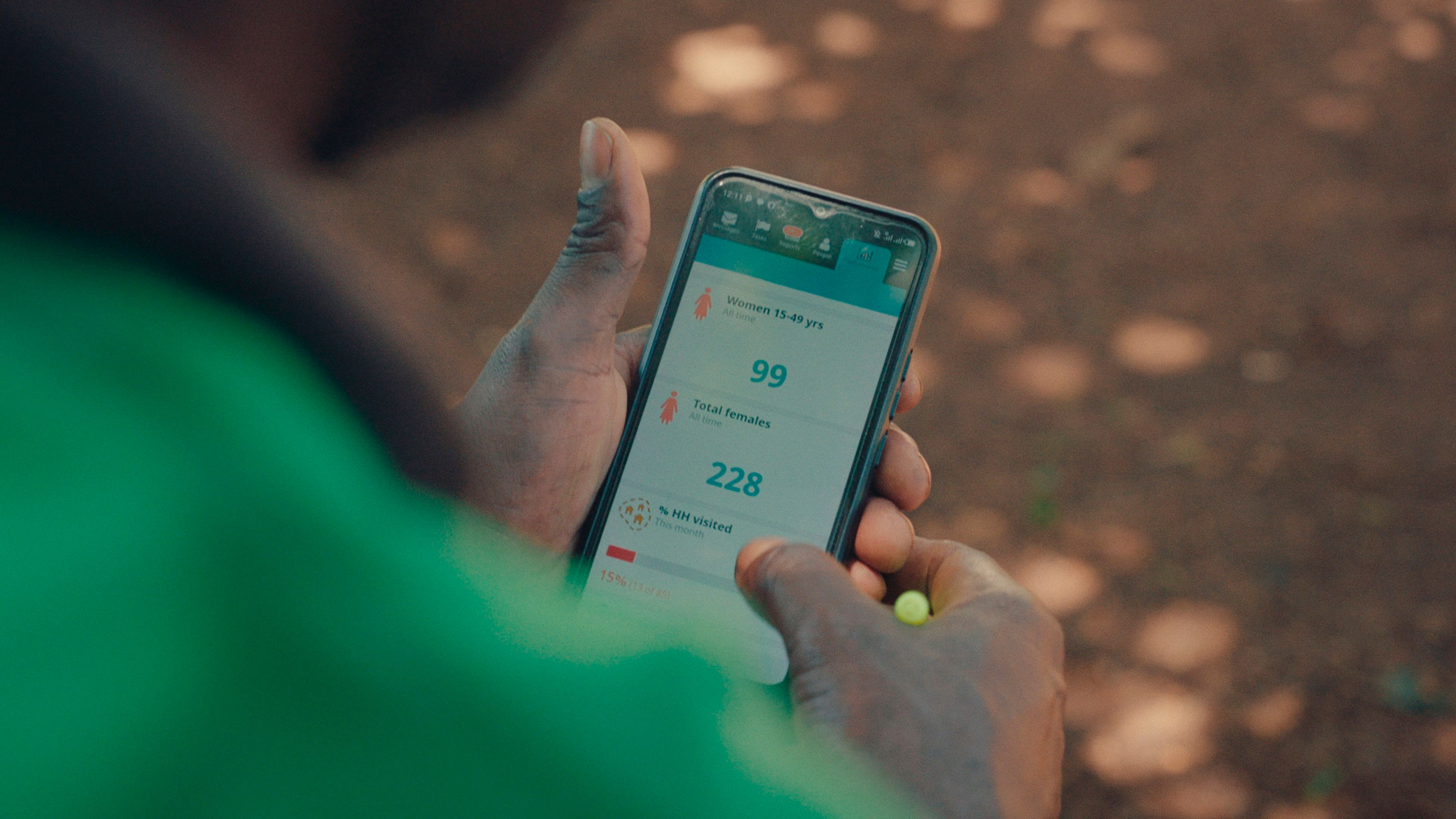
Worldwide, CHT connects remote and underserved communities to vital services. Applications built using CHT transform household-level care delivered by CHWs, supporting digitally-enhanced direct services across maternal and child health, HIV, Malaria, tuberculosis, cancer, and diabetes. In practice, this means proactive pregnancy monitoring, timely immunisations for children, disease surveillance and response, and coordinated care for families.
In 2025, the CHT Community proved that DPGs thrive through co-creation. More than 40 organisations didn’t just use the technology—by contributing to it, they actively built and co-evolved it, showing that when DPGs are genuinely community-owned, innovation accelerates and each contribution amplifies everyone’s impact. Teams collaborated to develop smarter task prioritisation, helping CHWs better serve community needs. Others developed Single Sign-On capabilities for seamless, secure access across systems. Partners implemented Right-to-Left language support and Arabic translations, expanding the CHT to North Africa and the Middle East.
Being open source plays a foundational role in CHT’s success. Transparent code enables organisations to self-onboard, customise independently, and fix bugs. Volunteers have helped strengthen the platform’s code and stability through dozens of improvements. Interoperability standards enable seamless integration with other DPGs like DHIS2 and openIMIS.
When communities grow, when more voices shape technology, we can reach open-source at scale, proving that collective ownership creates exponential impact and makes community-led digital health the sustainable path forward.
This content is part of the 2025 State of the Digital Public Goods Ecosystem Report, published by the Digital Public Goods Alliance in early February 2025. Learn more about the Alliance’s latest community highlights and explore the full report here.